Best for water
Best Metal Detectors for Freshwater: Why the Rules Change in a Lake or River
Quick answer
Fresh water lacks the conductivity that defeats single-frequency machines in salt, so the only genuine requirement is a body rated to submerge rather than a coil rated to submerge. The Minelab X-Terra Pro at $282.14 is the cheapest fully IP68 machine in this catalog, and any of the machines here work equally well once they are actually wet.
Freshwater detecting gets lumped in with beach detecting so often that the two end up sounding like the same problem at different scales. They are not. Lakes, rivers, ponds and swimming holes carry almost none of the dissolved salt that makes ocean water conductive, so the ground-cancelling trick that simultaneous multi-frequency performs on a beach is solving a problem that mostly does not exist in fresh water. What is left is a much simpler question: can the machine actually go under.
That single requirement, a body rated to submerge rather than just a coil rated to submerge, is the whole test for this page. Every machine here passes it, and several of them are single-frequency machines that would be the wrong tool on the saltwater beach page. Buying more machine than that for a farm pond or a swimming creek is buying a solution to a problem the water does not have.
Top pick
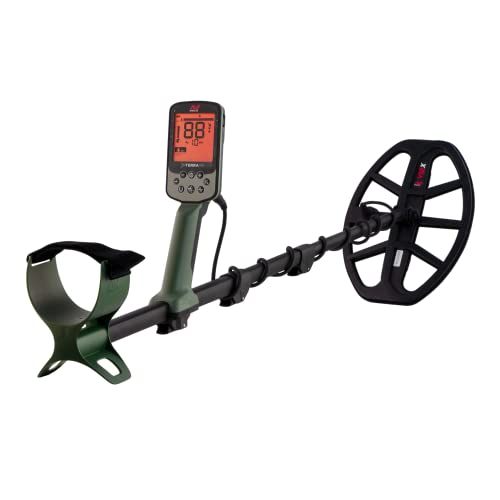
Minelab X-Terra Pro
Minelab publishes IP68 waterproofing to 16 feet on the whole assembled machine, six preset Park, Field and Beach modes and a 2.9 lb weight, at $282.14. It is the least expensive fully submersible body in this catalog, and freshwater does not ask for anything more than that.
Price was accurate when this page was compiled and changes often.
On this page
- Why is freshwater easier than saltwater for a detector?
- Beginner: wading a creek or a swimming hole
- Intermediate: machines built for repeated submersion
- Expert: diving depth and a full display
- How do the freshwater-suitable machines compare on paper?
- What about wireless headphones in a lake or river?
- What actually turns up in a freshwater site?
Why is freshwater easier than saltwater for a detector?
Salt water conducts because dissolved salt ions carry current through it. Fresh water, whether it is a lake, a river or the shallow end of a public swimming spot, does not carry that same load, and a detector reads the bottom much the way it reads damp soil on land. That is why a single-frequency machine like the Nokta Simplex Lite performs perfectly well once submerged in a creek, when the exact same electronics would struggle in the wet sand at the ocean's edge.
The distinction that still matters is the one Garrett states plainly about the Garrett ACE 200: its searchcoil can be submerged in shallow water while its control box cannot. That is a waterproof coil, not a submersible detector, and it is fine for wading ankle deep but wrong for anything past that. Every machine recommended on this page is published as fully submersible for the whole body, and the Minelab ratings reference and the Nokta ratings reference collect the published figures so you are reading the manufacturer's own number rather than marketing language.
Beginner: wading a creek or a swimming hole
Most people who think they want a freshwater machine actually want something they can wade with and stop worrying about. Both picks here are inexpensive, fully submersible, and neither one needs a multi-frequency engine to do the job, because fresh water was never the problem multi-frequency solves.
Minelab X-Terra Pro
$282.14Minelab publishes IP68 waterproofing to 16 feet, six preset search modes, 30 discrimination segments and a 2.9 lb weight, at $282.14. Full body submersion at this price is the reason it tops this page.
Best for: a first machine for lakes, rivers and swimming spots
Check price on Amazon
Nokta Simplex Lite
$249.00Nokta publishes a 9.5 inch waterproof DD coil and vibration alerts on the Nokta Simplex Lite, at $249.00. Vibration is a genuine advantage in a river, where flowing water can drown out audio through a wired set.
Best for: wading in current, and hard-of-hearing users
Check price on AmazonIntermediate: machines built for repeated submersion
These three add multi-frequency and carbon fibre construction on top of the same full submersion the beginner tier already covers. None of that is required in fresh water, but it is not wasted either: the same machine that handles a river on the weekend still works in a park during the week.

Minelab Equinox 700
$749.00Minelab publishes full submersion to 16 feet, Multi-IQ across 4 single frequencies plus simultaneous operation, and a 2.8 lb carbon fibre build, at $749.00.
Best for: one machine for rivers, lakes and dry land
Check price on Amazon
Nokta Simplex Ultra
$299.00Nokta publishes full waterproofing to 16 feet, a carbon fibre shaft that retracts to 25 inches, firmware updates over USB and 2.6 lb, at $299.00. Bluetooth headphones are not included, and would not work underwater regardless.
Best for: rough handling in rivers and rocky lake beds
Check price on Amazon
Nokta Double Score
$349.00Nokta publishes simultaneous multi-frequency, IP68 submersion to 16 feet and a rechargeable 3250 mAh pack rated to 12 hours on the Nokta Double Score, at $349.00.
Best for: a full day at the lake without changing batteries
Check price on AmazonExpert: diving depth and a full display
Both picks here go past what most freshwater hunting needs, and both are bought on purpose by people who dive rather than wade. The XP Deus II carries the deepest published rating in this catalog, and the Minelab Manticore keeps a full two-dimensional target display at a depth most lake beds never reach.

XP Deus II
$1,299.00XP publishes 66 feet of waterproofing with an IP68 underwater remote control, Fast Multi-Frequency across 12 factory programs, 49 single frequencies and optional bone conduction headphones, at $1,299.00.
Best for: freshwater diving well past wading depth
Check price on Amazon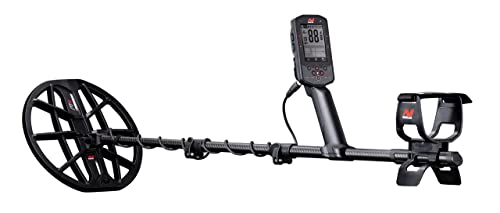
Minelab Manticore
$1,499.00Minelab publishes Multi-IQ+ transmit power, a 2D target ID map, ten search modes and IP68 submersion to 16 feet, at $1,499.00.
Best for: an experienced hunter who still wants visual target ID underwater
Check price on AmazonWho should not buy this tier: Do not buy the XP Deus II to wade a creek. Its 66 foot rating exists for genuine diving, and at wading depth the Minelab X-Terra Pro at $282.14 is rated far deeper than you will ever go for a fraction of the money. The Minelab Manticore asks you to learn a two-dimensional target display before it repays the cost, and on an ordinary lake or river session the Equinox 700 will keep pace with it for hundreds less.
How do the freshwater-suitable machines compare on paper?
Notice how many of these are single-frequency machines. In fresh water that is not a compromise, and the price gap between rows here buys convenience and depth in difficult ground rather than a fix for the water itself.
Every machine on this table is published as fully submersible rather than coil-waterproof only, and three of the six are single-frequency machines that would be the wrong choice at a saltwater beach.
| Machine | Price | Frequency approach | Submersion as published | Best suited to |
|---|---|---|---|---|
| Nokta Simplex Lite | $249.00 | Single frequency | Waterproof, with vibration | Wading with hearing difficulty |
| Minelab X-Terra Pro | $282.14 | Switchable single frequencies | IP68 to 16 ft | A first freshwater machine |
| Nokta Simplex Ultra | $299.00 | Single frequency | Fully waterproof to 16 ft | Rocky river beds |
| Nokta Double Score | $349.00 | Simultaneous multi-frequency | IP68 to 16 ft | Long days without recharging concerns |
| Minelab Equinox 700 | $749.00 | Multi-IQ, 4 singles | 16 ft (5 m) | Freshwater and dry land in one machine |
| Minelab Manticore | $1,499.00 | Multi-IQ+ | IP68 to 16 ft | Diving with a full target display |
| XP Deus II | $1,299.00 | Fast Multi-Frequency, 49 singles | 66 ft, IP68 remote | Genuine freshwater diving |
Figures are quoted from the manufacturer listing or manual for that product. None of these were measured on this site, and a static pressure rating is not a promise about how a specific unit will hold up over years of use.
What about wireless headphones in a lake or river?
The same physics that governs the ocean applies here. Bluetooth and the proprietary low-latency wireless protocols detector makers use are radio, and radio does not travel through water. The moment the control box goes under, a wireless connection to the headphones drops, whatever the machine's submersion rating says about the electronics themselves. A submerged machine needs wired, waterproof headphones as a separate purchase on most of these, and the wired headphones page sets out which set matches which brand.
If the plan never goes past wading with your ears above the surface, this does not apply and the wireless set that ships with most of these machines works exactly as intended. It only becomes the deciding factor once diving or full submersion enters the plan, and the underwater roundup treats that question in full.
What actually turns up in a freshwater site?
Public swimming spots, boat launches and popular fishing docks accumulate rings, sunglasses, coins and the occasional lost phone case at a rate that surprises most first-time water hunters. Rings in particular tend to come off in cold water, where cold fingers shrink and a loose ring slips away without the owner noticing until it is already gone. A quiet stretch of river with no swimming history will hold far less, so choosing where to hunt matters at least as much as which machine you bring.
Whatever comes up, the same honesty rules apply here as everywhere else on this site. No depth figure is a promise, and a target ID reading in fresh water behaves the same as it does on dry land once salt conductivity is out of the equation. Bury a known coin in the shallows near your usual spot and note what your own machine reports before trusting any number from a chart over your own recorded result.
How we chose
We did not test any of this in person and we have not taken any of it under water. Every submersion figure quoted below is the one the manufacturer publishes in its listing or manual, named as such, and where a figure is not published the page says so. Picks were made on published submersion depth for the whole assembled machine, not the coil alone, and on price.
Sources
- Minelab X-Terra Pro, Equinox 700 and Manticore product listings and manuals
- Nokta Simplex Lite, Simplex Ultra and Double Score product listings
- Garrett ACE 200 product listing
- XP Deus II product listing
Frequently asked questions
Do I need a multi-frequency detector for a lake or river?
No. Multi-frequency exists to cancel the conductivity of salt water, and fresh water does not carry that same conductive load. A single-frequency machine like the Nokta Simplex Lite works perfectly well once submerged in fresh water, and paying more for multi-frequency in that setting buys convenience rather than a fix for a problem that is not there.
Can I use a machine with only a waterproof coil in a swimming hole?
Only if you stay shallow enough that the control box never goes under. Garrett states plainly that the Garrett ACE 200 coil can be submerged while its control box cannot, and that distinction applies to most entry-level machines. For anything past wading, a machine published as fully submersible like the Minelab X-Terra Pro is the safer purchase.
Will freshwater sites have as much trash as a park?
Often less, though it varies by location. Popular swimming spots and public docks accumulate coins, jewellery and tabs the same as land, while a remote stretch of river may have almost nothing recent in the trash bands. Either way, target ID behaves the same underwater as it does on land once ground conductivity is out of the equation.
Is the XP Deus II overkill for a farm pond?
For most farm ponds, yes. Its 66 foot rating is built for genuine diving, and at wading or shallow-swimming depth any of the machines in the beginner or intermediate tiers here will find the same targets for a fraction of the cost. Buy that far up the range only if actual diving is part of the plan.
Do these machines need different settings for freshwater than for a park?
Ground balance and sensitivity may need a small adjustment for a soft silty bottom compared with firm soil, but the target ID scale itself does not change with the water. The generated setup for each machine and site type in the settings section gives a starting point, and bench-testing a known coin in your own conditions is still the most reliable check.
Researched, not professional advice. This page is compiled from published specifications, manuals and owner-review consensus, not hands-on testing. Target ID numbers, depth figures and settings vary with soil chemistry, moisture, target size, depth, orientation and firmware version, so treat every figure here as a starting point and verify it against your own machine's manual and your own ground. As an Amazon Associate we earn from qualifying purchases.