Calculator
Expected Detection Depth Calculator
Quick answer
A coin-sized target with an 11 inch coil in average soil is realistically detectable at about 6 to 9 inches. Heavily mineralised ground cuts that to roughly 4 to 6 inches, and a small gold earring to about 2 to 4 inches. Pick your target, coil and soil below for an estimate.
Depth is the most exaggerated number in this hobby. Manufacturers quote air tests, forum posts quote good days, and neither describes the ground you are standing on. This produces a realistic range from the three things that actually decide it: how big the target is, how big your coil is and how mineralised your soil is.
Realistic detection depth
An estimate, not a specification. Ranges are derived from published manufacturer depth guidance and the consensus of owner reports, and they will not match your ground exactly.
Machines and coils that hold depth in difficult ground
Top matches update when you calculate.
Simultaneous multi-frequency is what keeps usable depth in mineralised soil and wet salt sand, which is where single-frequency machines fall apart.
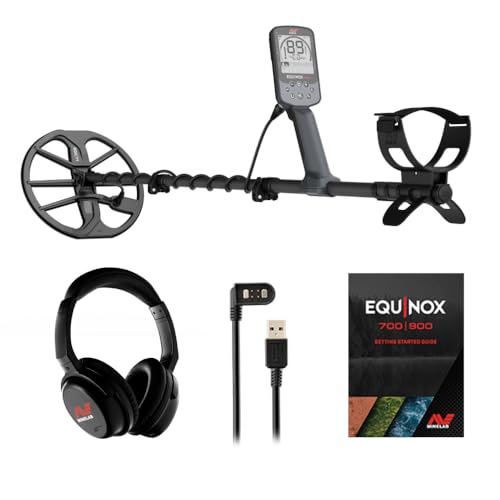
Minelab Equinox 900
$999.00Ships with both the EQX 11 and EQX 6 waterproof Double-D coils, offers six single frequencies alongside Multi-IQ, and is submersible to 16 feet at 2.8 lb.
Best for: the one machine that covers park, field, beach and gold
Check price on Amazon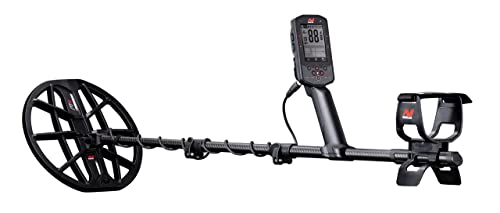
Minelab Manticore
$1,499.00Minelab's high-power Multi-IQ+ platform with a two-dimensional target display, and the deepest machine the brand sells outside gold-specific models.
Best for: an experienced detectorist chasing depth in mineralised ground
Check price on Amazon
Nokta The Legend Pro Pack
$659.00Ships as a Pro Package with both 6 inch and 11 inch DD coils, with two simultaneous multi-frequency profiles plus 4, 10, 15, 20 and 40 kHz single frequencies.
Best for: the most machine per dollar in the multi-frequency class
Check price on Amazon
Minelab EQX 15 Coil (15 inch)
$290.00More ground per sweep and a little more depth on larger targets, at the cost of separation in trash.
Best for: open fields and beaches
Check price on Amazon
Coiltek 15 inch NOX Search Coil
$338.00The aftermarket alternative to the EQX 15, usually chosen for its balance on the shaft.
Best for: covering large open ground
Check price on Amazon
XP Deus II
$1,299.00Wireless from coil to headphones with no cable at all, waterproof, and fast multi-frequency. The lightest flagship on the market.
Best for: long sessions, and anyone who wants the lightest possible flagship
Check price on AmazonWhy this is a range and never a number
Detection depth is not a property of a machine. It is a property of a machine, a coil, a target, that target's orientation and corrosion, the soil it is buried in, how wet that soil is, how much electrical interference is around, and how slowly you are sweeping. Anyone who gives you a single figure has quietly fixed all of those variables at values that suit them.
A coin lying flat presents its full face to the coil and reads well. The same coin on edge can be almost invisible, which is a large part of why cross-gridding a site finds things the first pass missed.
How to find out what your own machine really does
Bury known targets in your own soil, at measured depths, and leave them for a few weeks so the ground settles and the halo effect that surrounds a long-buried object starts to develop. Then walk your test bed with each coil and each mode and write down what you get. That afternoon will tell you more about your machine than any chart on the internet, including this one, and it is the single most useful thing an intermediate detectorist can do.
Depth is rarely what is costing you finds
It is worth saying plainly, because depth is what gets sold. Most targets that get left in the ground are left because of incomplete coverage, slow recovery eating the day, or an ambiguous signal that got skipped. Two more inches of depth is a real improvement, but it is usually a smaller one than working the site properly with what you already own.
Frequently asked questions
How deep can a metal detector actually detect?
For a coin-sized target in average soil with a general-purpose coil, roughly 6 to 10 inches is the honest working range for most modern VLF machines. Larger objects go deeper and small gold much shallower. Claims of two or three feet on a coin describe laboratory air tests or very large objects, not what you will get in a field.
Why is my machine not reaching its advertised depth?
Advertised figures usually come from an air test, where a target is waved under the coil with no soil in between. Real ground absorbs and distorts the signal, and mineralised soil can cut usable depth by a third or more. Ground balancing, lowering sensitivity until the machine runs quiet, and slowing your sweep all recover some of it.
Does a bigger coil find deeper targets?
For coin-sized and larger targets, moderately yes: a 15 inch coil typically adds a couple of inches over an 11 inch on a coin, and more on a large relic. For very small targets it can be worse, because a big coil spreads its energy over more ground. Depth on tiny gold comes from high frequency and a small coil, not size.
How does soil mineralisation change depth?
It is the single biggest environmental factor. Iron mineralisation and salt both mask the target signal, and heavily mineralised red clay or black sand can cut usable depth by 30 to 50 percent against mild soil. This is why a simultaneous multi-frequency machine is worth the money on a beach and barely matters in a mild park.
Is a deeper machine worth paying for?
Sometimes, but it is usually not the limiting factor. Most people leave far more targets behind through poor coverage, poor recovery speed and skipped ambiguous signals than through a missing two inches of depth. Work a site properly with the machine you own before concluding you need a deeper one.
Researched, not professional advice. This tool produces an estimate from the figures you enter and from published manufacturer specifications. Depth, ground coverage and battery runtime all vary with soil chemistry, moisture, temperature and how a machine is configured. Any metal value shown is a melt estimate only: it is not an offer, an appraisal or a guarantee of what a buyer will pay, and collectable coins are frequently worth far more than their metal. Get the landowner's permission before detecting on ground you do not own, keep off protected land, and fill every hole.