Best by budget
Best Metal Detecting Tools Under $50: What to Buy at Each Stage
Quick answer
Under $50 the accessories that matter most are a hand digger such as the CKG Double Serrated Hand Digger at $29.99, a finds pouch such as the Garrett Camo Digger's Pouch at $19.99, and once you are finding real things, a Digital Pocket Scale, 200 g by 0.01 g and a Illuminated 30x and 60x Jewellers Loupe for identifying what came out of the ground.
Almost none of the accessories that change a detecting session cost real money. A digger, a pouch, a scale and a loupe together cost less than a single search coil, and they do more for a typical outing than most equipment upgrades priced ten times higher. This page is organised by when you actually need each thing, not by price band, because everything on it is already under fifty dollars.
What is missing here on purpose is the pinpointer. That single purchase matters more than everything on this page combined and deserves its own roundup: see pinpointers under $100 and the upgrade order page for why it comes first. This page covers the smaller things that round out a kit once the pinpointer is already in the pouch.
Top pick
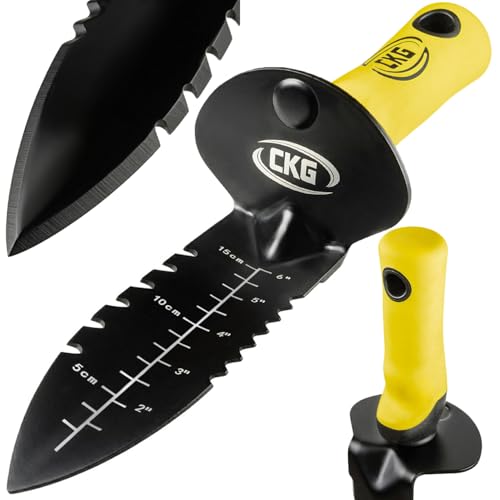
CKG Double Serrated Hand Digger
A double-serrated blade with a sheath for under $30, cutting a clean plug in turf at a third of the price of the name-brand equivalent.
Price was accurate when this page was compiled and changes often.
On this page
- What actually belongs in a first kit under $50?
- What changes once you are actually finding things?
- What do you buy in the first week?
- What do you add once real finds start turning up?
- What do experienced detectorists carry that beginners overlook?
- What is worth buying outside this list once you have $50 to spend elsewhere?
- How much should a new detectorist actually spend before the first outing?
What actually belongs in a first kit under $50?
A digger and a pouch, and not much else. A CKG Double Serrated Hand Digger at $29.99 has a double serrated edge that cuts through roots and a sheath so the blade does not become the day's injury. A Garrett Camo Digger's Pouch at $19.99 is small, cheap and hard to kill, which is why it is the pouch most people end up with regardless of what else they buy later. Together that is under $50 and it solves the two problems every first outing has: where does the plug go, and where do the finds go.
Resist the urge to buy a full-size shovel this early. The shovel roundup explains why a hand digger is the correct tool on turf and a shovel is for relic ground where you expect to dig deeper than a plug allows.
What changes once you are actually finding things?
Identification tools stop being optional the first time you pull a coin with a worn date or a ring with a hallmark you cannot read with the naked eye.
Every item here costs under $59.99, and the cheapest, the mesh waist pouch, runs $12.99.
| Item | Price | Stage | What it solves |
|---|---|---|---|
| CKG Hand Digger | $29.99 | Day one | Cutting a clean plug in turf |
| Garrett Camo Digger's Pouch | $19.99 | Day one | Somewhere for finds and trash to go |
| Waterproof Mesh Waist Pouch | $12.99 | Day one, beach | Draining sand and water instead of holding it |
| Detecting Gloves | $13.95 | Day one | Broken glass and rusted metal in old ground |
| Digital Pocket Scale | $11.99 | Once you find jewellery | Weighing a ring or coin lot for a first value estimate |
| 30x/60x Jewellers Loupe | $8.99 | Once you find coins | Reading a worn date or a hallmark |
| NoCry Gel Knee Pads | $26.99 | Once sessions run long | You kneel for every single target |
| Coin Flips, 300 pack | $9.50 | Once you keep coins | Storing a coin so it does not rub against others |
| Root Slayer Nomad Spade | $46.69 | Experienced | A short, discreet spade for permission hunts |
| Minelab EQX 11 Coil Cover | $24.45 | Experienced | Protecting a coil that costs far more than the cover |
Prices are catalog prices and move. "Stage" is our own organising judgement based on when each purchase typically pays off, not a manufacturer claim.
What do you buy in the first week?
A digger and a pouch, in that order. The CKG Double Serrated Hand Digger costs $29.99 and comes with a sheath, which matters because the blade is genuinely sharp. The Garrett Camo Digger's Pouch at $19.99 is the cheapest pouch worth owning and most detectorists never fully replace it, they just add a second one for the beach.
CKG Double Serrated Hand Digger
$29.99A double-serrated stainless steel blade with a sheath and belt loop, welded for durability at under $30. Cuts roots, sod and rope without needing a full-size shovel.
Best for: cutting a clean plug in park and yard turf
Check price on Amazon
Garrett Camo Digger's Pouch
$19.99Small, cheap and durable enough that most detectorists never fully wear it out. There is no separation between finds and trash, which is the trade-off for the size.
Best for: a first pouch that will still be in the bag years later
Check price on AmazonWhat do you add once real finds start turning up?
A scale and a loupe, both under $15. A Digital Pocket Scale, 200 g by 0.01 g at $11.99 weighs to 0.01 g, which is the first step in telling whether a ring is what it claims to be, and it is what every later value calculation starts from. A Illuminated 30x and 60x Jewellers Loupe at $8.99 reads a worn date or a mint mark that the naked eye cannot resolve, and mint marks and dates are the difference between a common coin and a genuinely good one. NoCry Professional Gel Knee Pads belong here too, once sessions start running past an hour.

Digital Pocket Scale, 200 g by 0.01 g
$11.99Weighs to 200 g by 0.01 g with six unit modes including troy ounces and pennyweight, for under $12. The first step in judging whether a jewellery find is what it appears to be.
Best for: weighing rings, coin lots and other jewellery finds
Check price on Amazon
Illuminated 30x and 60x Jewellers Loupe
$8.99A dual 30x and 60x illuminated lens for under $9. Mint marks, dates and hallmarks are unreadable to the naked eye and are what separate a common coin from a valuable one.
Best for: identifying what came out of the ground
Check price on Amazon
NoCry Professional Gel Knee Pads
$26.99Gel and high-density foam padding with a non-slip fit, for under $30. You kneel for every single target, and this is the accessory people buy second and wish they had bought first.
Best for: anyone spending more than an hour at a time in the field
Check price on AmazonWhat do experienced detectorists carry that beginners overlook?
Discreet digging tools and proper coin storage, both easy to skip early on and both worth adding once you have been at this a while. The Root Slayer Nomad Garden Spade at $46.69 packs down to roughly 70 percent the size of a full trowel, which matters on permission hunts where a long-handled tool draws attention you would rather avoid. Cardboard Coin Flips, 300 in 6 sizes at $9.50 stops a cleaned coin rubbing against other coins in a tin, which is a slow, invisible way to lose whatever value it had.

Root Slayer Nomad Garden Spade
$46.69A serrated, compact spade roughly 70 percent the size of the full Root Slayer, built with a carbon steel blade and a fiberglass shaft. Packs into a bag rather than announcing itself on a shoulder.
Best for: permission hunts where discretion matters
Check price on Amazon
Cardboard Coin Flips, 300 in 6 sizes
$9.50300 cardboard flips across six sizes for under $10. A cleaned coin loose in a tin loses condition to every other coin it touches, and flips are the cheapest way to stop that.
Best for: anyone keeping coin finds rather than spending them
Check price on AmazonWho should not buy this tier: Neither of these is a first purchase. Do not buy coin flips before you have found a coin worth keeping separately from pocket change, and do not buy a discreet spade if you only ever hunt public parks where a normal hand digger draws no attention at all. Buy the Beginner tier first regardless of how tempting these look, because a scale, a loupe and knee pads change more sessions than either of these two will for a newer detectorist.
What is worth buying outside this list once you have $50 to spend elsewhere?
A second coil, almost every time. It is priced above this page's cap but changes what a machine finds on trashy ground more than any accessory here does; the coil roundup and trashy ground coil picks cover it in detail. If gold panning interests you as a side activity, the gold panning kit roundup stays inside a similar budget to this page. And once coins start accumulating, the coin care roundup covers cleaning, which the Conserv Safe Coin Solvent at $8.99 does safely and an abrasive never does.
How much should a new detectorist actually spend before the first outing?
Less than most people assume, and the accessory list is the reason why. A digger, a pouch, and later a scale and a loupe together cost less than fifty dollars total, and none of it requires a second trip to a store once you already own it. The mistake worth avoiding is buying identification and storage tools before you own a way to open a hole and carry what comes out of it: the order in the tables above is deliberate, and skipping ahead to a loupe before a digger means you are still recovering targets by hand while a magnifier sits unused in a drawer.
The other mistake is treating this list as optional because none of it looks as exciting as a new detector. A season with a modest machine, a proper digger, a pouch that keeps finds separate from trash, and a scale and loupe to identify what comes out of the ground will produce a more satisfying first year than the same modest machine used without any of it, and the whole list costs less than a single search coil.
How we chose
Every price here is the catalog price and every feature is quoted from the maker's own listing. Nothing on this page has been used by us in the field. The organising idea, day-one basics, then identification tools once finds start arriving, then the things experienced detectorists add that beginners do not think to buy, comes from the order these purchases actually pay off in rather than from price alone.
Sources
- CKG, Lesche and Radius Garden digging tool listings
- Garrett and generic finds pouch product listings
- Generic digital pocket scale and JARLINK loupe specifications
- NoCry knee pad and Boen coin flip product listings
Frequently asked questions
What is the single best accessory under $50?
A hand digger, if you do not already own one. The CKG Double Serrated Hand Digger at $29.99 cuts a clean plug in turf that can be replaced so the ground looks untouched, and every other purchase on this page assumes you already have a way to open a hole.
Do I need a scale and a loupe as a beginner?
Not on day one, but soon after. Once you find a ring or a coin with a readable date, a Digital Pocket Scale, 200 g by 0.01 g and a Illuminated 30x and 60x Jewellers Loupe together cost under $25 and answer the first questions anyone asks about a find: what is it made of, and what does the mark say.
Is a $20 finds pouch good enough?
For dry-land detecting, yes. The Garrett Camo Digger's Pouch at $19.99 is small and durable and most detectorists keep it for years. For beach and wet-ground work a mesh-bottom pouch such as the Waterproof Mesh Waist Pouch drains instead of holding wet grit, which the camo pouch cannot do.
What should I skip until I have more experience?
Discreet or specialised digging tools and dedicated coin storage. A Root Slayer Nomad Garden Spade only pays off once you already understand why discretion on a permission site matters, and coin flips only matter once you are keeping finds rather than spending loose change.
Is it worth buying a coil cover under $50?
Yes, and it is arguably the best value on this entire list. A Minelab EQX 11 Coil Cover costs under $25 against a coil that costs well over ten times that, and it is the only thing standing between the coil and the next rock it drags across.
Researched, not professional advice. This page is compiled from published specifications, manuals and owner-review consensus, not hands-on testing. Target ID numbers, depth figures and settings vary with soil chemistry, moisture, target size, depth, orientation and firmware version, so treat every figure here as a starting point and verify it against your own machine's manual and your own ground. As an Amazon Associate we earn from qualifying purchases.