Calculator
Gold Nugget Weight to Value Calculator
Quick answer
At $2,400 per troy ounce, one gram of pure gold is worth about $77, and a typical natural nugget at 85 percent purity carries about $66 per gram. Enter the weight, your purity assumption and the current spot price below for a melt estimate.
This converts a weight into a melt value, which is the floor on what a piece of natural gold is worth and not usually the price. Two things move the answer a long way: gold is priced in troy ounces rather than ordinary ounces, and natural nuggets are never pure.
Estimated melt value
A melt estimate only. Not an appraisal, not an offer, and not a prediction of what any buyer will pay. Spot prices move constantly, so enter a current figure.
Weighing, storing and finding it
Top matches update when you calculate.
A 0.01 gram scale is the first purchase here. Everything on this page depends on an accurate weight.

Digital Pocket Scale, 200 g by 0.01 g
$11.99Weight is the first thing that tells you whether a ring is what it claims to be, and it is what every value calculation starts from.
Best for: weighing gold, silver and coins
Check price on Amazon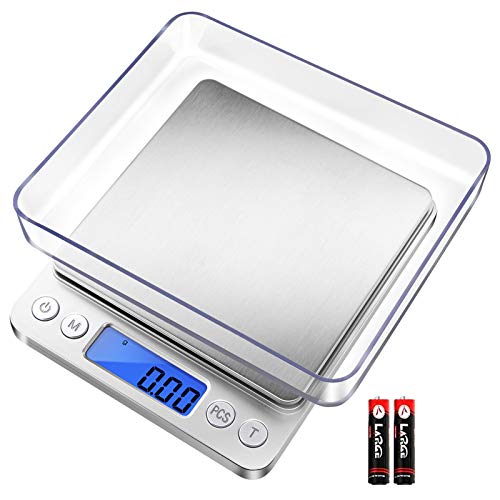
Fuzion Digital Gram Scale, 500 g by 0.01 g
$15.95More capacity, for weighing a whole handful of coins at once.
Best for: coin lots and heavier finds
Check price on Amazon
Gold Collection Glass Vials, 12 pack
$9.99Somewhere for the gold to go that is not a pocket.
Best for: storing finds
Check price on Amazon
ASR Outdoor Tweezer and Vial Set, 5 piece
$12.99Non-magnetic tweezers matter, because magnetic ones pick up the black sand instead.
Best for: picking flakes out of a pan
Check price on Amazon
Minelab Gold Monster 1000
$899.00A high-frequency, fully automatic gold machine with a 5 inch waterproof coil, built so the operator does not have to tune it.
Best for: small gold with the least possible setup
Check price on Amazon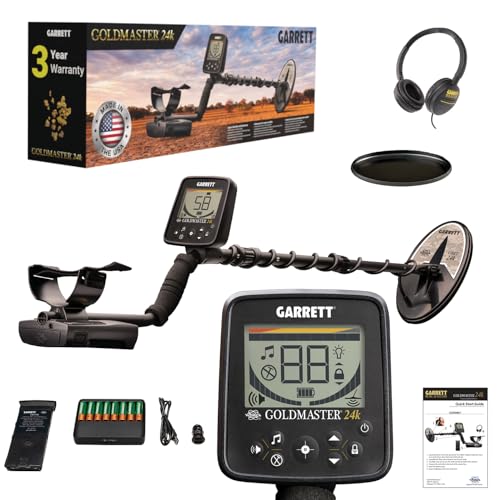
Garrett Goldmaster 24k
$679.99Runs at 48 kHz, which is where very small gold gives a usable signal and where a coin machine gives none.
Best for: fine gold in known goldfields
Check price on AmazonTroy ounces, and the mistake that costs the most
Precious metals are priced per troy ounce, which is 31.103 grams. A normal ounce is 28.35 grams. Dividing a spot price by the wrong one overstates the value by about ten percent, and it is far and away the most common error people make doing this arithmetic in their heads.
Purity is an assumption unless it has been assayed
Natural gold carries silver and copper, typically leaving it somewhere between 80 and 95 percent gold depending on where it came from. Without an assay, any figure you enter is a guess, so it is worth guessing conservatively. If you are valuing a piece for sale rather than out of curiosity, an assay is the only way to know.
Melt value is the floor, not the price
This is the important part. A nugget with a good shape, visible crystalline structure or a documented locality can be worth substantially more to a collector or a jeweller than the gold in it, sometimes several times more. Melting a characterful nugget destroys that premium permanently. Get anything unusual looked at by someone who buys natural gold before you sell it by weight, and never clean or alter a piece before that conversation.
And what a dealer will actually offer
Less than this figure. Dealers need a margin and they carry the risk that the purity is lower than claimed, so expect an offer below melt, with the gap narrowing as the quantity rises. That is not sharp practice, it is how the trade works.
Frequently asked questions
How much is a one gram gold nugget worth?
At a spot price of $2,400 per troy ounce, one gram of pure gold is worth about $77. Natural nuggets are rarely pure, so a typical 85 percent nugget of one gram carries roughly $66 of gold. Collectable nuggets with good shape and character often sell well above melt, which is the one case where the metal value understates the item.
What purity are natural gold nuggets?
Most fall somewhere between 80 and 95 percent gold, with silver and copper making up the rest, and the figure varies by region and even by individual creek. Unless a nugget has been assayed, any purity you enter here is an assumption. Using 85 percent gives a conservative estimate rather than a flattering one.
Will a dealer pay me the melt value?
No. Dealers buy below spot because they need a margin and because they carry the assay risk. Expect an offer somewhere below the figure this calculator gives, with the gap narrowing on larger quantities. Refiners pay closer to spot but usually have minimum quantities well above what most detectorists recover.
Should I sell a nugget for its gold content?
Often not. A nugget with an interesting shape, good crystalline structure or a known locality can be worth considerably more to a collector or a jeweller than its metal, sometimes several times more. Melt value is the floor, not the price. Get anything unusual looked at before you sell it by weight.
What units should I weigh in?
Grams are the practical unit and any 0.01 gram jewellery scale handles nugget-sized pieces. Gold is priced in troy ounces, which are about 31.1 grams rather than the 28.35 grams of a normal ounce, and that difference is a common and expensive mistake. Grains and pennyweight are also offered here because prospectors still use both.
Researched, not professional advice. This tool produces an estimate from the figures you enter and from published manufacturer specifications. Depth, ground coverage and battery runtime all vary with soil chemistry, moisture, temperature and how a machine is configured. Any metal value shown is a melt estimate only: it is not an offer, an appraisal or a guarantee of what a buyer will pay, and collectable coins are frequently worth far more than their metal. Get the landowner's permission before detecting on ground you do not own, keep off protected land, and fill every hole.