Calculator
Dig Time Budget Calculator
Quick answer
In a four hour hunt getting 30 signals an hour at two minutes per recovery, you can work through about 55 targets and will spend roughly 110 minutes digging and 130 minutes swinging. At an 85 percent trash rate that is about 8 non-ferrous finds. Enter your own numbers below.
Most people plan a hunt around how much ground they can cover and then run out of daylight halfway down the first lane. Recovery is the other half of the day, and on a trashy site it is the larger half. This works out how many targets your available time actually buys.
Targets you can recover
The gear that changes this number
Top matches update when you calculate.
A pinpointer roughly halves recovery time, which is the largest single improvement available to any detectorist at any budget.

Garrett Pro-Pointer AT
$109.99Submersible to 20 feet, made in the USA, and the pinpointer most often recommended without qualification.
Best for: nearly everyone, including water hunters
Check price on Amazon
Minelab PRO-FIND 40
$149.00Waterproof, with tone ID and adjustable sensitivity, and a ferrous indication that the cheaper models do not have.
Best for: iron-heavy sites where knowing the target is ferrous saves a dig
Check price on Amazon
Lesche Digging Tool and Sod Cutter with sheath
$59.95The same tool with a sheath included, which matters because the blade is genuinely sharp.
Best for: carrying a hand digger safely on a belt
Check price on Amazon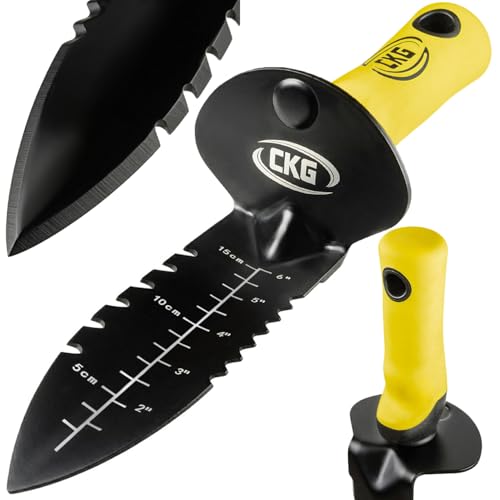
CKG Double Serrated Hand Digger
$29.99A double-serrated budget digger with a sheath, at about half the price of the Lesche.
Best for: a spare digger, or a first one
Check price on Amazon
NoCry Professional Gel Knee Pads
$26.99You kneel for every single target. This is the accessory people buy second and wish they had bought first.
Best for: anyone over about forty, and everyone else too
Check price on Amazon
CKG Finds and Digger Pouch
$24.99Separate compartments for finds, trash and the pinpointer, which is the only pouch layout that actually works.
Best for: general use
Check price on AmazonWhy the split matters more than the total
Swinging and digging compete for the same hours. Every target you recover is time not spent finding the next one, which means the way to get more finds out of a fixed afternoon is almost never to walk faster. It is to recover faster, or to be more selective about what you dig.
The pinpointer arithmetic
Recovery time is the one variable here that money genuinely fixes. Going from five minutes a target to two does not make you 60 percent faster at digging, it roughly doubles the number of targets you get through in a day, every day, for as long as you detect. That is why the advice is always to buy a pinpointer before a better machine, and why every kit on this site includes one at every budget.
Being selective is a skill, not a shortcut
On a new site, dig a wide sample including signals you would normally walk past, because that is the only way to learn what your machine says about that specific ground. Once you know it, ignoring obvious iron is reasonable and will roughly double your useful finds per hour. Skipping everything ambiguous, though, is how people walk over the good targets: a deep silver coin and a corroded bottle cap can read closer than anyone would like.
Leave time to fill the holes
Budget the last part of the hunt for finishing properly rather than squeezing in four more targets. An open hole is how permissions end and how detecting gets banned from a park. If the light is going, stop digging and start filling.
Frequently asked questions
How long does it take to recover one target?
With a pinpointer, between one and three minutes for a shallow target in soft turf, including cutting a plug and replacing it properly. Without a pinpointer, five to ten minutes is normal and much of that is sifting the same soil repeatedly. Deep targets in hard or rooted ground can take fifteen minutes on their own.
Is a pinpointer really worth it?
It is the highest-return purchase in the hobby and it is not close. Halving recovery time roughly doubles the number of targets you get through in a day, which compounds every single hunt for as long as you detect. It also means smaller, tidier holes, which is what keeps permissions. Buy one before a better detector.
Should I dig every signal?
On a new site, dig a representative sample of everything including the signals you would normally skip, because that is how you learn what your machine says about that particular ground. After that, ignoring obvious iron is reasonable. Digging everything on a trashy park is how people spend six hours and recover four bottle caps.
What trash ratio is normal?
On an old park or picnic area, expect eight or nine signals in ten to be trash: pull tabs, foil, bottle caps, shotgun bases and can slaw. On cultivated farmland it can fall below half. A high trash ratio is not a reason to avoid a site, because the same ground that holds a century of pull tabs also holds a century of dropped coins.
Why do I run out of time before I run out of site?
Because swinging time and digging time are separate budgets and most people only plan the first. A site that takes five hours to sweep can take fifteen to work. Plan the hunt around how many targets you can recover, not around how much ground you can walk, and mark where you stopped.
Researched, not professional advice. This tool produces an estimate from the figures you enter and from published manufacturer specifications. Depth, ground coverage and battery runtime all vary with soil chemistry, moisture, temperature and how a machine is configured. Any metal value shown is a melt estimate only: it is not an offer, an appraisal or a guarantee of what a buyer will pay, and collectable coins are frequently worth far more than their metal. Get the landowner's permission before detecting on ground you do not own, keep off protected land, and fill every hole.